
E6
6. Bahamas
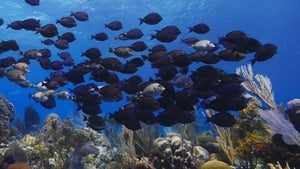
Across the 3,000 scattered islands of the Bahamas lie visions of unexpected wonder. Experience its unique natural marvels--from towering pine forests to tangled mangrove swamps, to a mysterious labyrinth of underwater caves.
Latest episode
S3 E4 · Life in the Food Chain
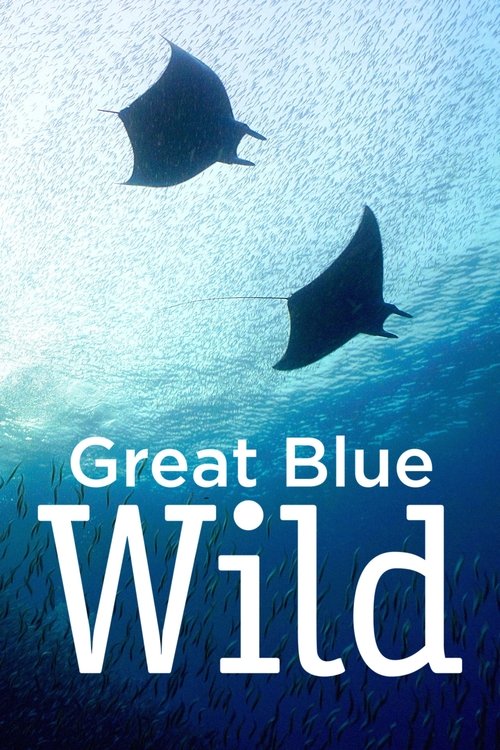
Great Blue Wild is a documentary TV series that premiered on Smithsonian Earth on November 2, 2015. It has 3 seasons and 18 episodes so far and is still airing new episodes. The latest episode, Season 3 Episode 4 "Life in the Food Chain", aired on May 18, 2020.
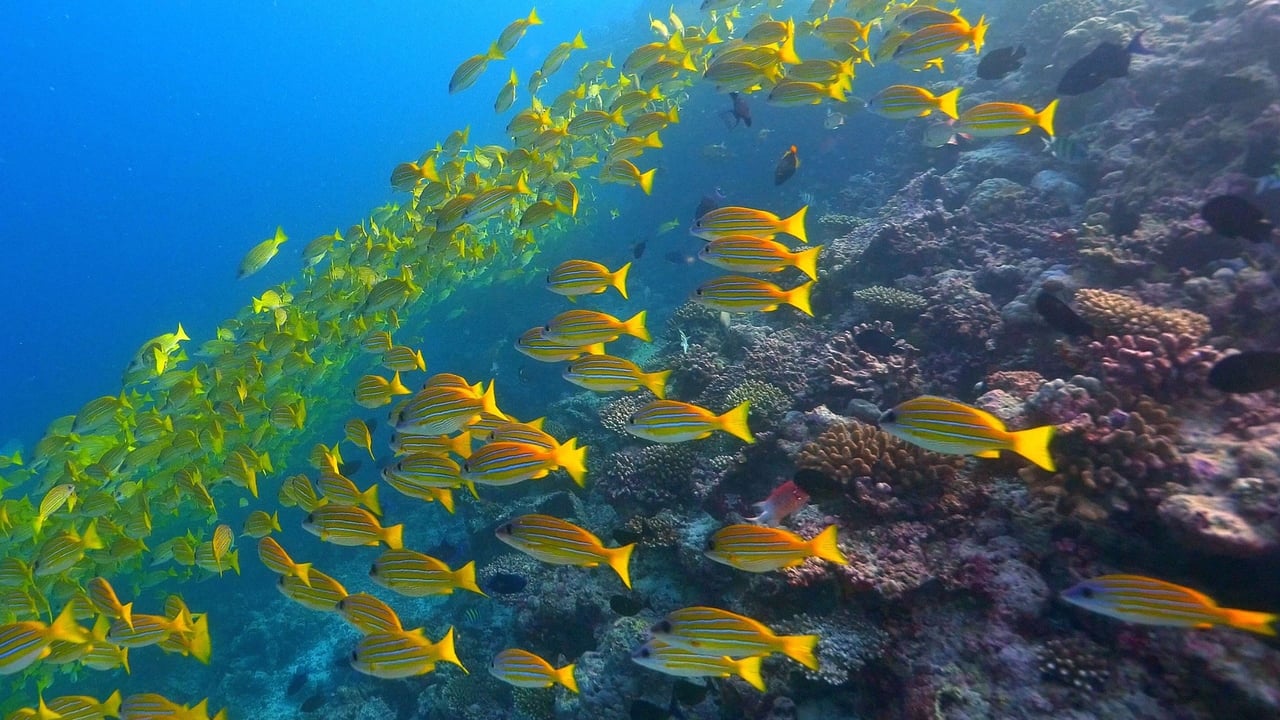
To catch a glimpse of some of the most spectacular natural wonders on the planet, you have to journey deep beneath the oceans. Dive into lush undersea gardens filled with vibrant vistas and otherworldly creatures.
Last updated
18 episodes · 3 seasons
2015 · 6 episodes · Last episode: 11 years ago
E6
Across the 3,000 scattered islands of the Bahamas lie visions of unexpected wonder. Experience its unique natural marvels--from towering pine forests to tangled mangrove swamps, to a mysterious labyrinth of underwater caves.
E5
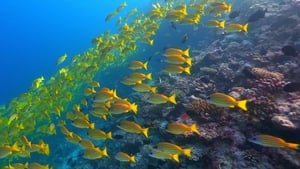
The Belize Barrier Reef is the second-largest coral reef system in the world. Estimated to be nearly 4,000 years old, its waters are home to an immense marine ecosystem. Explore a deep blue wilderness brimming with rare, exotic fish, sea turtles, sharks, and huge green morays.
E4
Explore the wild blue Caribbean waters of Cozumel, a lush paradise packed with marine surprises. from the spectacular Paso del Cedral coral reef to the world's longest subterranean underwater cave system, go where only the bravest divers dare venture.
E3
Forty miles north of Honduras, near the bay Island of Roatan, is a spectacular and pristine preserved coral atoll: the Mesoamerican reef. explore the abundant and diverse marine life, lush vegetation, and magnificent caves of this rare underwater wonder.
E2
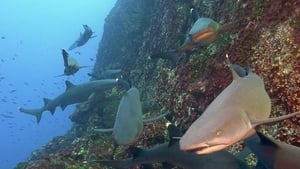
Jacques cousteau once called cocos Island "the most beautiful island in the world." beyond its pristine rainforest is a marine wilderness brimming with multicolored fish, enormous sea turtles, and vast schools of sharks.
E1
Three hundred and seventy miles off the coast of Mexico in the eastern Pacific, the waters surrounding Socorro Island are home to some of the world's largest marine life. Take a deep dive through surging currents and majestic coral reefs with whale sharks, giant manta rays, and more.
2017 · 8 episodes · Last episode: 8 years ago
E8
The Pacific coast of Costa Rica is home to an astonishing 3.5% of all marine species in the world. Helping keep things in check is the region's apex predator, the hammerhead shark, whose dwindling numbers present a major threat to the health of the ecosystem. Witness the efforts to keep this mighty creature alive.
E7
The Maldives are the lowest country in the world--and getting lower, due to rising sea levels. Especially at risk is the island's reef system, the biggest in the Indian Ocean, with over 200 types of coral and thousands of tropical fish species. Witness the race to preserve this marine paradise from the ravages of climate change.
E6
Beneath Indonesia's coral reef, tiny creatures have made the murky seabed their home. Here, you'll find shrimps that kill with a whip-fast punch, toxic nudibranch sea slugs, and six of the nine species of the world's walking sharks. Dive into the depths of this unlikely ocean ecosystem.
E5
Indonesia's marine rainforests are under threat, and rising sea temperatures and destructive fishing practices have taken a toll. However, conservation initiatives in hundreds of protected marine zones have given hope to the giant manta rays, 300 species of coral, and six of the world's seven sea turtle species that call this ecosystem home.
E4
The vibrant reef ecosystem of Raja Ampat, off the coast of Indonesia, is home to a conservation sanctuary twice the size of Singapore. It's one of the few places on Earth where two different species of manta ray live side by side. Join a dedicated team of conservationists as they track these mysterious creatures to safeguard their future.
E3
In Palau, the local economy relies on ecotourism that's sustained by strong legal support. Shark hunting is banned, giant manta rays are protected by law, and tireless efforts are made to combat the acidification an ocean ecosystem housing coral reefs. But can ambitious conservation keep pace with the scale of man-made devastation?
E2
Palau has set up the world's first shark sanctuary--a California-sized marine zone where hunting these endangered predators is strictly prohibited. Can this tiny island-nation defend against a sophisticated army of poachers? Join the front lines to save one of the ocean's most cherished and endangered predators.
E1
In three decades, the waters around the remote village of Cabo Pulmo have gone from wildly biodiverse, to barren, to a bountiful and pristine haven for mighty sharks and flying rays once again. See how local fishermen ultimately turned back the clock, restoring one of the world's most majestic coral reefs.
2020 · 4 episodes · Last episode: 6 years ago
E4
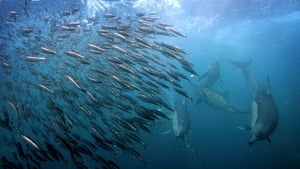
To a marine biologist, any attempt at mapping an oceanic food chain begins and ends with plankton, from tiny bacterial algae to soft-bodied animals such as jellyfish. These microscopic miracles are responsible for producing two-thirds of atmospheric oxygen. Their place at the bottom of the chain has the greatest impact on marine life, whether they're providing nourishment for filter-feeders such as sardines and manta rays or predators like dolphins and sharks.
E3
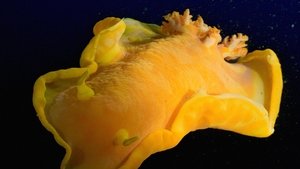
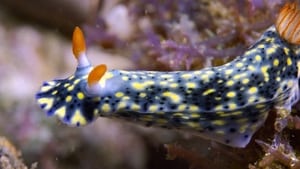
The coastal waters of Mozambique are the domain of giants, from visiting humpbacks to resident whale sharks. But the tiniest species also play a big role. Brightly colored slugs known as nudibranchs inhabit shallow reefs, estuaries, and mangroves. Of the 200 species here, 90% are newly discovered. Follow the research team as they navigate fickle tides and indiscriminate fishing practices to protect the marine giants of Mozambique--and the tiny creatures that live in their shadow.
E2
The 1,600-mile coast of Mozambique is a magnet for the world's largest marine dwellers, from manta and sting rays to sharks and dolphins. While manta ray numbers are impacted by a migration path that overlaps with their predators, the biggest threat comes from bad fishing practices. Join marine specialists Andrea and Nakia as they set out to identify the favored habitats of manta rays, learn about their migratory habits, and devise strategies to protect the species from catastrophic decline.
E1
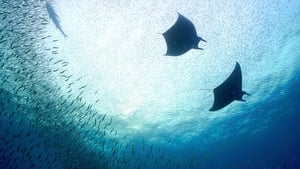
Mantas eat plankton, not fish. So why would oceanic manta rays, among the largest of the species, make an annual pilgrimage from the waters of Mozambique all the way to the coast of South Africa to attend the sardine run, the world's largest migration of marine animals? Follow dedicated manta researchers as they work tirelessly to discover the secrets of one of the ocean's most mysterious and majestic dwellers. They might even discover new species along the way.
A date for the next episode of Great Blue Wild hasn't been announced yet. Follow Great Blue Wild in the Streambay app and you'll be notified as soon as a new episode airs.
The most recent episode of Great Blue Wild, Season 3 Episode 4 "Life in the Food Chain", aired on May 18, 2020.
Great Blue Wild has 3 seasons with 18 episodes in total.
Great Blue Wild first aired on Smithsonian Earth on November 2, 2015.
Download the Streambay app, follow Great Blue Wild, and you'll get a push notification the moment each new episode is released.
Download Streambay and follow Great Blue Wild. We’ll notify you the moment a new episode is released. It’s free, with no sign-up and no personal information required.
Great Blue Wild
Get new episode alerts
Get alerts