E26
26. The Last Forest: Epilogue
A look at how the conservation of forests and jungles is vital to many species, and the only guarantee for future generations to enjoy these precious treasures.
Latest episode
S1 E26 · The Last Forest: Epilogue
Jungle Planet is a documentary TV series that premiered on December 11, 2015. It has 1 season and 26 episodes so far and has ended. The latest episode, Season 1 Episode 26 "The Last Forest: Epilogue", aired on June 3, 2016.
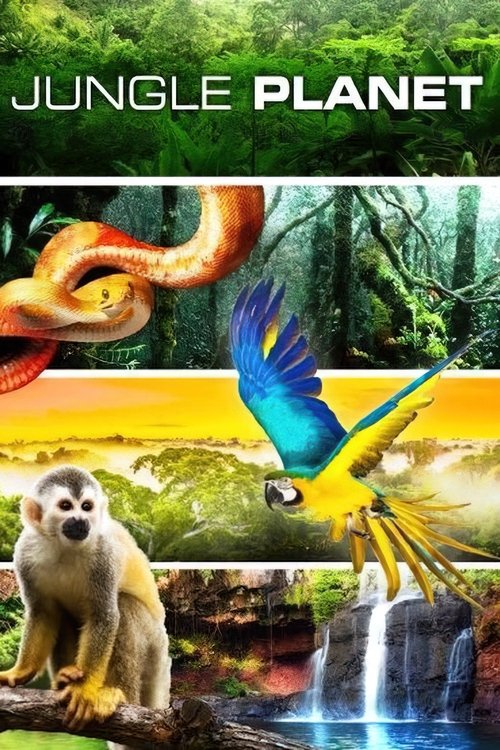
Jungle Planet is a unique production that travels to Planet Earth's major forests and jungles, providing a complete and unexpected view of their wildlife, biodiversity, and importance for all life on our planet.
Last updated
26 episodes · 1 season
2015 · 26 episodes · Last episode: 10 years ago
E26
A look at how the conservation of forests and jungles is vital to many species, and the only guarantee for future generations to enjoy these precious treasures.
E25
A fragile strip of tropical woodland extends along the east coast of the huge island of Australia. It is a unique jungle, caressed by rains and humidity, a place of refuge for a wide range of fauna that lives exclusively here on the edge of the great Australian paradise. Witness the enchanting Australian rainforests where bowerbirds dance and kangaroos ascend trees. Explore the unique synergy between plants and animals, as specific bird species play a vital role in preserving the lush tree life.

E24
Some of the forests with the most character in the world are the juniper woods. Each juniper tree has its own shape. Juniper woodlands are open and adapted to cold and dry climates. They are of unique beauty, emerging from between bare rocks.
E23
A look at forests in some regions Central and South America that survive by adapting to droughts and intermittent humidity and serve as habitats to large trees, agoutis, pumas, lizard, and deer.
E22
The coastal regions of the Old Continent are occupied by an evergreen forest that reach to the very edge of the sea. This forest is adapted to the lack of water and high temperatures and is inhabited by a special collection of fauna, such as chameleons.
E21
The Neotropical forests of South America extend across huge territories with an incredible diversity of trees and plants. Orchids and bromeliads grow on branches, forming a hanging forest.
E20
In the Northern Hemisphere, forests are adapted to the extreme seasonality of very cold winters and hot, humid summers. This is the deciduous forest, whose leaves change color throughout the year and are lost in winter.
E19
African rainforests are the oldest in the world. They are inhabited by gorillas, chimpanzees and okapi. The biodiversity of these forests includes millions of unknown insects, birds and small mammals.
E18
The huge expanses of olive groves around the Mediterranean region are a humanized forest where trees grow in an orderly manner. Italy, Spain and Greece benefit from this humanized ecosystem, inhabited by a diverse range of wildlife.
E17
In Northern Africa and Southern Europe, there are forests that grow only on the highest mountain peaks, unique ecosystems of singular beauty that are home to a variety of wildlife such as Barbary monkeys, osprey, Barbary sheep and the Iberian ibex.
E16
The rivers of the Northern Hemisphere are naturally flanked by forests adapted to periodic flooding. These are tall, lush forests, the hiding places of otters and ferrets, and whose branches provide shelter and sustenance for colonies of heron and deer.
E15
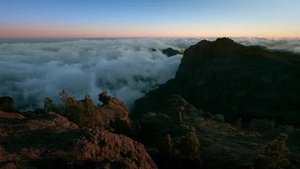
One of the most extraordinary forests in the world grows on top of volcanic cones, between rocks and ashes. This is the Canary pine, capable of growing after a fire. Its adaptation has allowed it to colonize some of the harshest ecosystems.
E14
The environment of southern Europe and North Africa is the perfect territory for oak trees, huge trees whose branches may be home to more than 300 species of animals, from the critically-endangered imperial eagle, to colonies of stork, genets and mice.
E13
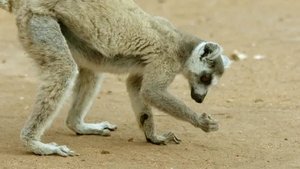
The interior of Madagascar is dry and mountainous, and the forests that grow there lose their leaves during the dry season, except for those that take refuge in narrow canyons eroded by rivers. These forests are home to ring-tailed lemurs, pied crows, various species of tenrec, and unique chameleons that can withstand the harsh environmental conditions.
E12
The cloud rainforest is a unique ecosystem that grows in equatorial regions, perched on peaks of over 2,000 meters, where clouds permanently deposit water and the weather is cold. The quetzal, hummingbirds, wild cats and monkeys are found here.
E11
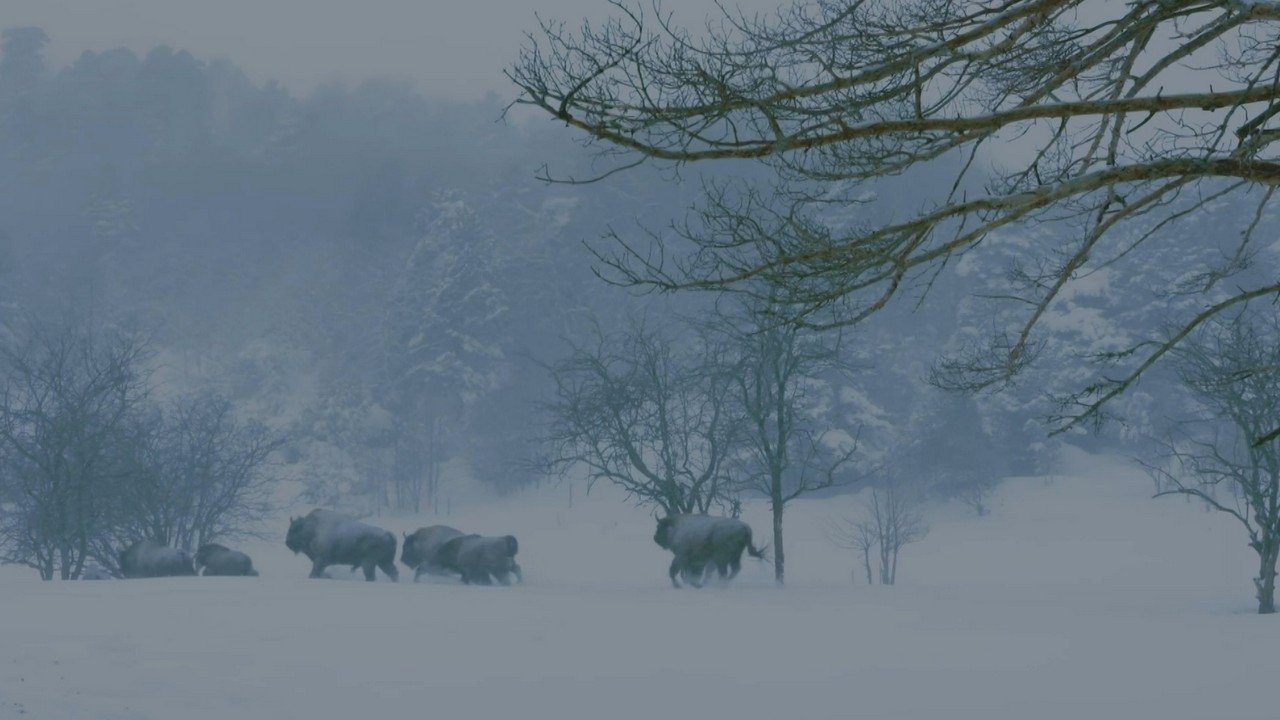
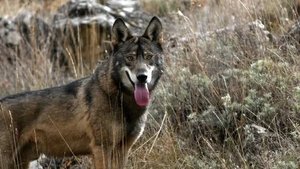
The Taiga is the world's largest forest, occupying the northern regions of North America, Europe and Asia. This seemingly infinite forest of the harshest environmental conditions is inhabited by massive bears, wolverines, wolves and moose.
E10
The Florida Peninsula is dominated by an immense wealth of woodlands, specifically wetlands and swamps. Bald cypress and many other tree species grow here, surviving in this amphibious world and providing shelter to deer, alligators, storks and eagles.
E9
The eucalyptus forests of Australia have adapted to the different environments found on the largest island on the planet. Its forests are home to a varied and striking collection of wildlife, including koalas, tree kangaroos and flying squirrels.
E8
Almost all plants are armed with thorns like daggers in the Spiny Forest of Madagascar. The fauna inhabiting this forest includes sifakas, chameleons, three-eyed lizards, radiated tortoises and many endemic birds. All of them have adapted to life among the sharp thorns and permanent drought.
E7
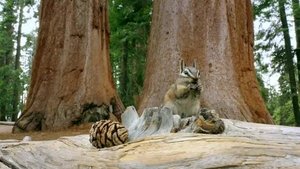
In California, redwoods thrive over different mountain ranges, breaking all records of height. Under their canopies, diverse wildlife like black bears, coyotes, mountain sheep, wapiti and squirrels live out their lives, intertwined in a complex web.
E6
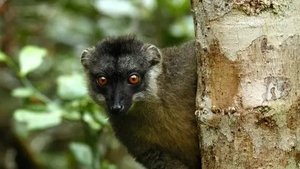
The Madagascan rainforest is inhabited by lemurs whose howls at dawn and dusk fill the woodland. In this unique ecosystem, more than 14 species of lemur, 30 species of chameleon, strange and striking birds, and countless insects survive.
E5
The laurel forests of the Canary Islands are relics more than 20 million years old. They grow in the interior of some islands where winds carry clouds and mist. They are jungles full of strange and unique animals, such as Laurel and Bolle's pigeons, lizards, snails and birds of prey.
E4
The south of Africa is home to an unusual forest that loses its leaves during the dry season. The Mopane tree, or butterfly tree, is the main exponent of this behavior. In this peculiar landscape live elephants, hyenas, lions, colobus monkeys, eagles and mousebirds.
E3
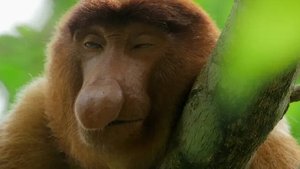
Mangrove forests, which grow along the coasts in the tropics, are magical in appearance. These forests and their inhabitants, such as proboscis monkeys, langurs, mudskippers and bearded wild boars, are dependent on the tides.
E2
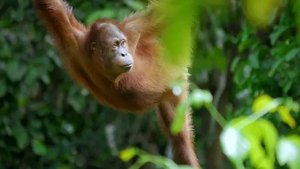
The jungles of Borneo and Southeast Asia are among the oldest in the world, at nearly 15 million years old. They are inhabited by a unique and exclusive fauna, orangutans, sun bears, flying lizards, giant rafflesia flowers, macaques and hornbills.
E1
Life on Earth is characterized by its enormous richness. Even today, much of its surface is covered with forests and jungles. This series travels to some of the world's major forests and jungles, providing a complete view of their wildlife, biodiversity and importance for life on the planet.
Created by Juan Antonio Rodríguez Llano
Jungle Planet has ended, so no new episodes are scheduled. The final episode aired on June 3, 2016.
The most recent episode of Jungle Planet, Season 1 Episode 26 "The Last Forest: Epilogue", aired on June 3, 2016.
Jungle Planet has 1 season with 26 episodes in total.
Jungle Planet first aired on December 11, 2015.
Download the Streambay app, follow Jungle Planet, and you'll get a push notification the moment each new episode is released.
Download Streambay and follow Jungle Planet. We’ll notify you the moment a new episode is released. It’s free, with no sign-up and no personal information required.
Jungle Planet
Get new episode alerts
Get alerts