Skip to content
Streambay
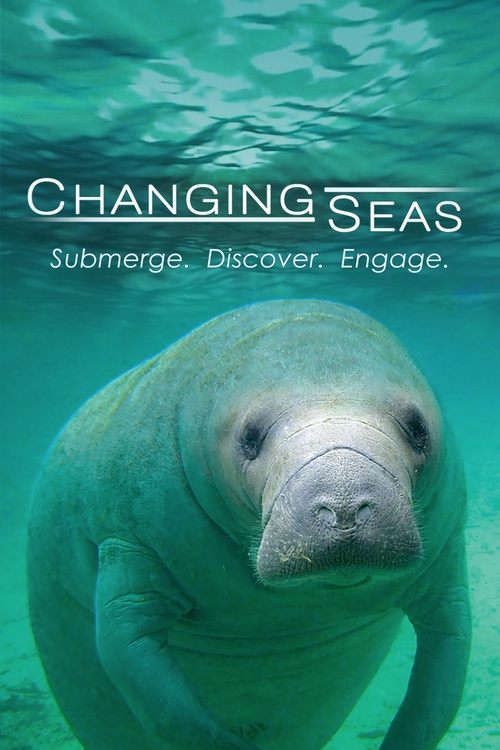
Changing Seas poster
TV series

Changing Seas

Latest episode

S14 E4 · Saving Florida's Starving Manatees

About Changing Seas

Changing Seas is a documentary TV series that premiered on PBS on January 27, 2009. It has 14 seasons and 56 episodes so far and is still airing new episodes. The latest episode, Season 14 Episode 4 "Saving Florida's Starving Manatees", aired on June 29, 2022.

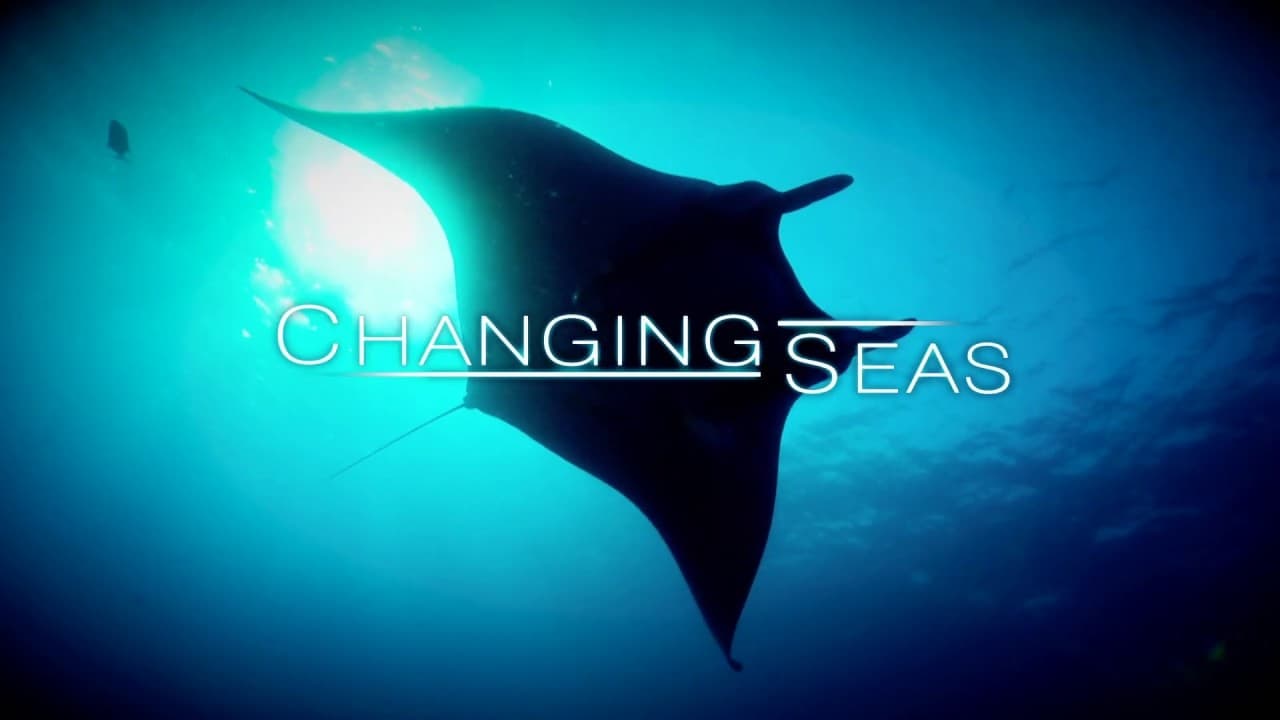
Produced by South Florida PBS in Miami, Florida, Changing Seas gives viewers a fish-eye view of life in the deep blue. Join scientists as they study earth’s last frontier and discover the mysteries of our liquid planet.

  • Documentary

Last updated

Episodes

56 episodes · 14 seasons

Season 1

2009 · 4 episodes · Last episode: 17 years ago

Changing Seas Season 1 release dates →
  1. E4

    4. Farming the Sea

    Finale

    An ever-growing demand for fresh seafood has pushed wild stocks around the world to the brink. Aquaculture is one alternative to meet the increasing need for fish and crustaceans. Some aquaculture methods have been highly criticized for their negative environmental impacts, but other, more environmentally friendly techniques, are being perfected at various research institutions in Florida. Changing Seas meets with experts who produce fish for food production and to replenish depleted wild populations.


  2. E3

    3. Corals of the Deep

    In the deep waters off Florida's Atlantic coast grow magnificent structures, capable of reaching 300 feet in height. These are the corals of the deep sea. Porcelain-white and centuries old, few humans have seen these delicate reefs. The Ivory Tree Coral, Oculina varicosa, and Lophelia pertusa flourish in harsh, sunless environments, yet these branch-like formations provide food and shelter for a variety of deep water organisms. Rich in biodiversity, this mysterious underwater kingdom is threatened by destructive fishing practices such as bottom trawling. However, a recently proposed 23,000 square mile marine protected area could save these fragile reefs from ruin.

  3. E2

    2. Mission to Inner Space

    NOAA's Aquarius Reef Base is the only undersea research station operating in the world today. Located just three and a half miles offshore from Key Largo, Florida, at a depth of 60 feet, aquanauts spend ten day missions living and working on the seafloor. Changing Seas observed scientists during a recent mission as they studied the impacts ocean acidification is having on local reef ecosystems. Ocean acidification is caused by a change in the water's chemistry that could have potentially devastating impacts on corals in the future.

  4. E1

    1. Super Grouper

    At a time when large fish are rapidly disappearing from the world's oceans, one giant is making a comeback in Florida. The Goliath Grouper was facing extinction when it became a protected species in 1990. Since then, the population has had a chance to recover. Now, some members of the recreational fishing community are pushing to re-open the fishery. But scientists studying the colossal, slow-to-mature fish say such a move would be premature. Changing Seas joins scientists in the field to learn more about the life history of these awe-inspiring fish.

Season 2

2010 · 4 episodes · Last episode: 16 years ago

Changing Seas Season 2 release dates →
  1. E4

    4. Sinking the Vandenberg

    Finale

    In the turquoise blue waters of the Florida Keys, a new attraction is drawing scuba divers from around the world: The USNS General Hoyt S. Vandenberg. Laid to rest in the Florida Keys National Marine Sanctuary, the Vandenberg is the world's second largest intentionally sunk shipwreck. In her last mission as an artificial reef, this massive ship is already attracting a variety of fish and other marine life. Now, natural resources managers are trying to determine what impact this artificial reef has on fish populations and the health of the surrounding natural reefs.

  2. E3

    3. Seagrasses and Mangroves

    An ancient species of flowering plants that grow beneath the surface of the world's oceans, seagrasses link coastal coral reefs with mangrove forests along the coastline. Today, these "prairies of the sea," along with mangroves, are declining globally. Scientists fear the diminishing vegetation could lead to an ecosystem collapse from the base of the food chain all the way to the top. Changing Seas joins experts in the field as they work to restore Florida's vital mangroves and seagrasses. Seagrasses and mangroves are "hotspots of biodiversity" since they attract and support a variety of marine life. However, damage and removal of these plants continue across the globe at a rapid pace. 'Changing Seas' journeys along Florida's coastline to better understand the significant roles mangroves and seagrasses play within the state.

  3. E2

    2. Sentinels of the Seas

    Bottlenose dolphins are a beloved Florida icon. But, recent studies show disturbing signs of immune system dysfunction and disease plaguing this charismatic mammal. These problems might be linked to legacy contaminants and other pollutants which bio-accumulate up the ocean food chain. Changing Seas meets with experts for an in-depth look at the health status of Florida's wild bottlenose dolphins.

  4. E1

    1. No Fish Left Uncounted

    How do you count two fish, three fish or even a school of fish? In Dry Tortugas National Park, located 70 miles from Key West, Florida, a group of scientists have joined forces to conduct a massive fish census. In this unprecedented collaboration, experts from four different agencies unite to count and analyze fish data from select sites. Changing Seas follows highly-skilled science divers as they determine the size of fish populations in hopes of better understanding how fishing pressures and environmental changes affect populations of marine resources within the park.

Season 3

2011 · 4 episodes · Last episode: 15 years ago

Changing Seas Season 3 release dates →
  1. E4

    4. After the Spill

    Finale

    The catastrophic oil spill in the Gulf of Mexico in April 2010 may no longer make headline news, but the story is far from over. Oceanographers continue to study the long-term effects this disaster might have on marine ecosystems. Among them are the scientists from the College of Marine Science at the University of South Florida, who have been studying the impacts of this spill from the beginning. Experts are analyzing water and sediment samples for hydrocarbon presence and toxicity and are studying the long-term effects the spill might have on a number of marine species. What impacts will low-level, chronic toxicity from oil and dispersants have on the environment? How long until the true extent of this disaster will be known?

  2. E3

    3. Prescription: Oceans

    The oceans are part of America's newest medical frontier. In Florida, scientists are studying a variety of marine invertebrates which may hold the key to unlocking the secrets of our own biology. At Harbor Branch Oceanographic Institute in Fort Pierce, researchers are testing sea sponges for their potential anti-cancer properties. At The Whitney Laboratory for Marine Bioscience in Marineland, experts are taking a closer look at horseshoe crabs to better understand how eyes function and change with age. Scientists there are also studying sea slugs for insights into neurodegenerative disorders such as Alzheimer's and Parkinson's disease. What clues will these and other simple organisms reveal about the human body? Are there cures that lie beneath the waves?

  3. E2

    2. Reef Revival

    In the emerging science of coral reef restoration, marine biologists and resource managers are discovering naturally occurring mechanisms that promote coral growth and restore ecological balance in these gardens of the sea. Since the late 1970s close to 98% of Staghorn and Elkhorn corals have disappeared from reefs in Florida and the Caribbean. Around the world, damage from boat groundings and other factors have placed these organisms on the "threatened" list of the Endangered Species Act. Staghorn and Elkhorn are considered principal reef building corals. In South Florida, scientists are using native sponges and spiny sea urchins in novel ways that may help attract corals to damaged sites. Can nature heal itself with a little help from marine experts? Can new technologies help restore the lost coral communities?

  4. E1

    1. Alien Invaders

    In the waters of the western Atlantic and Caribbean, a voracious alien predator has taken hold. Native to the Indo-Pacific, the invasive lionfish is a major threat to biodiversity.

Season 4

2012 · 4 episodes · Last episode: 14 years ago

Changing Seas Season 4 release dates →
  1. E4

    4. Coastal Carnivores

    Finale

    On the southern tip of the Florida Everglades, the Shark River meets the Gulf of Mexico. This estuary is home to a number of predators, including the alligator and the bull shark. But despite its wild nature, the Everglades ecosystem is in trouble. Humans have greatly reduced water flows across the famed "River of Grass." Now, a large scale restoration project aims to re-direct some of the fresh water back into the Everglades. A team of scientists from Florida International University has been studying predators in the estuary. Their goal is to better understand how these animals will respond to the changes in water flows, to ensure they continue to fulfill their critical ecological role in the food web. This episode is a co-production of Symbio Studios and WPBT2.

  2. E3

    3. Grouper Moon

    Join researchers from the Reef Environmental Education Foundation and the Cayman Islands Department of Environment as they study one of the last great reproductive populations of Nassau Grouper. Normally a solitary species, during the winter full moons Nassau Grouper travel, sometimes over great distances, to "group" together and spawn. While most of the known spawning sites in the Caribbean have been fished out over the years, the west end of Little Cayman in the Cayman Islands is home to largest known reproductive spawning aggregation of this endangered species.

  3. E2

    2. Mysterious Microbes

    They are some the ocean's tiniest inhabitants. On coral reefs, microorganisms are copious creatures. But in a world that's invisible to the naked eye, drastic changes are taking place. Throughout Florida, scientists painstakingly work to identify key players within this microbial community. Recent breakthroughs revealed a direct link between a human pathogen and a devastating coral disease. With corals under immense stress, experts are using advanced genetic tools and a former aquarium "pest" to better comprehend these microscopic organisms. With experimental sites in the lab and in the sea, what will microbes reveal about coral health? How do human activities impact the microbial balance on the reef?

  4. E1

    1. Tracking Tigers

    Sharks are beleaguered species. The oceans' most formidable apex predators are overfished worldwide for their fins, which are considered a delicacy in many Asian countries. Shark populations have declined by up to 90 percent in some cases. But much is still unknown about the animals. Tiger sharks in particular display behaviors that are not well understood. Known to travel long distances, these fish have a broad diet and spend time in shallow, near-shore habitats as well as the depths of the open ocean. Scientists use satellite tags and DNA forensic tools to better understand their migration patterns. Such information is crucial for resource managers to make more informed fisheries management decisions in the future.

Season 5

2013 · 4 episodes · Last episode: 13 years ago

Changing Seas Season 5 release dates →
  1. E4

    4. Reefs of Rangiroa

    Finale

    Scientists with the Global Reef Expedition are on a six year mission to study remote coral reefs around the world. While in French Polynesia, the experts conduct extensive habitat mapping to create one of a kind seafloor atlases. Scientists also assess the health of the reefs to compare and contrast the resilience of reef systems over a large geographical area.

  2. E3

    3. Creatures of the Deep

    In the cold, deep waters of the Gulf of Mexico, little-known animals spend their entire lives in near darkness, far removed from our human world. Until now, little research has been conducted on these creatures of the deep, keeping much of their lives a mystery. Then, in April of 2010, the Deepwater Horizon oil rig exploded, setting off the largest marine oil spill in the history of the petroleum industry. Roughly 4.9 million barrels of crude oil gushed out of the well at a depth of 5-thousand feet. In the disaster's aftermath, many questions arose about what lives in the deep waters of the Gulf, and how these animals may have been impacted by the oil. To answer these questions, scientists from the Deep-C Consortium's ecology team conduct regular research trips in the area.

  3. E2

    2. Sunken Stories

    In the Florida Keys, divers from around the country learn how to map shipwrecks and apply their skills on a mysterious 19th Century slave ship. When diving isn't possible, professional explorers use high-tech tools to scan objects buried beneath the seafloor.

  4. E1

    1. Coral Hybrids

    While Elkhorn and Staghorn corals have undergone a drastic decline in the Caribbean, their hybrid, "Fused Staghorn," is increasing in numbers in parts of the region. One scientist is studying the animals in Belize to see if the hybrid might be better equipped to deal with environmental stressors than its parents.

Season 6

2014 · 4 episodes · Last episode: 12 years ago

Changing Seas Season 6 release dates →
  1. E4

    4. Saving Sawfish

    Finale

    Strange and prehistoric-looking, Smalltooth Sawfish were once coveted by anglers as popular trophy fish. But habitat loss and overfishing have greatly reduced the animals' range and landed them on the endangered species list in 2003.

  2. E3

    3. Galápagos: Windows into the Future

    The unique oceanic conditions of the Galápagos Islands serve as a perfect natural laboratory to study how climate change may impact corals in the future.

  3. E2

    2. Biggest Fish in the Sea

    Each summer, the world's largest known aggregation of whale sharks occurs just off the coast of Cancun, Mexico, giving experts the opportunity to learn more about the largest fish in the sea.

  4. E1

    1. Living Fossils

    Crinoids have been around in various forms since before the age of dinosaurs. Now experts descend into the deep to study the animals from a submersible.

Season 7

2015 · 4 episodes · Last episode: 11 years ago

Changing Seas Season 7 release dates →
  1. E4

    4. The Secret Sex Life of Fish

    Finale

    Most people are familiar with the pretty tropical fish found in aquariums, but few realize that some of these animals are capable of changing sex. Discover the unique ways of how some fish species do this and why they likely evolved this way.

  2. E3

    3. Billfish: Battle on the Line?

    The unique oceanographic conditions of the eastern tropical Pacific make the area one of the best spots in the world for big game anglers to hook billfish. But intense pressures from commercial fishing operations have taken their toll on the numbers of sailfish and marlin in the region. Researchers are studying the animals to provide the data necessary to protect the fish populations from further decline.

  3. E2

    2. Grand Cayman's Famous Stingrays

    Each year, thousands of tourists interact with the tame southern stingrays that congregate in the shallow waters of Grand Cayman’s North Sound. Famous marine artist and scientist Dr. Guy Harvey has assembled a research team to study what impact the ecotourism might have on the wild fish.

  4. E1

    1. Sea Turtles: The Lost Years

    After sea turtle hatchlings emerge from their nests, they vanish into the sea. Until recently, their journey was largely shrouded in mystery. Now, as technology advances, researchers are beginning to understand where turtles go during their so-called “lost years.”

Season 8

2016 · 4 episodes · Last episode: 10 years ago

Changing Seas Season 8 release dates →
  1. E4

    4. Beneath the Bridge

    Finale

    The Blue Heron Bridge in Riviera Beach, Florida, is known as one of the best shore dives in the United States. What appears as an unlikely dive site at first is home to a rich variety of marine life, ranging from tiny nudibranchs to manta rays. Underwater photographers are documenting what lives beneath the bridge, and a scientist is studying how two species of octopus co-exist there.

  2. E3

    3. Maug's Caldera: A Natural Laboratory

    In the remote Pacific, the islands of Maug rise out of the sea. Formed by an ancient volcano, shallow hydrothermal vents are found close to coral reefs inside the submerged caldera. These vents emit levels of CO2 that can be expected in the world’s oceans by the end of the century, making these waters a natural laboratory for scientists studying the impacts of ocean acidification on coral reefs. Co-produced with Open Boat Films.

  3. E2

    2. Manatees: Conserving a Marine Mammal

    Every winter, hundreds of manatees aggregate at Crystal River, Florida, attracted by the warmer, spring-fed clear waters. This sanctuary is also a treasure for scientists, who take advantage of these manatee gatherings to study them. From decades of visual ID studies to the most cutting-edge DNA research, experts hope that science will help conserve this beloved marine mammal.

  4. E1

    1. Sponges: Oldest Creatures in the Sea?

    Until recently there was scientific consensus that sponges were the first animals to branch off the “Animal Tree of Life,” a kind of family tree for all living and extinct animals on earth. But recent DNA research has cast doubt on that theory, with some scientists suggesting that ctenophores, also known as comb jellies, are an older lineage.

Season 9

2017 · 4 episodes · Last episode: 9 years ago

Changing Seas Season 9 release dates →
  1. E4

    4. Majestic Mantas

    Finale

    Mexico’s remote Revillagigedo Archipelago is a hotspot for oceanic mantas. Scientists use photo ID techniques and acoustic tags to study these mysterious fish. They are also researching if the filter-feeding rays are impacted negatively by microplastics – tiny pieces of toxic trash that float in the ocean.

  2. E3

    3. The Fate of Carbon

    For millennia, the exchange of CO2 between the oceans and atmosphere has been in balance. Now, with more anthropogenic carbon dioxide in the atmosphere, the oceans are taking up more CO2 as well. This additional CO2 is negatively impacting sensitive ecosystems, making scientists worry how these changes will affect the way carbon is cycled through the seas.

  3. E2

    2. Toxic Algae: Complex Sources and Solutions

    Putrid mats of blue green algae are wreaking havoc on Florida’s shorelines. Scientists think water pollution is to blame, and if something isn’t done about it there could be irreparable damage to the environment, the local economy and people’s health.

  4. E1

    1. The Future of Seafood

    Scientists work with the private sector to develop sustainable offshore aquaculture.

Season 10

2018 · 4 episodes · Last episode: 8 years ago

Changing Seas Season 10 release dates →
  1. E4

    4. Fishing the Flats for Science

    Finale

    Flats fishing is popular with recreational anglers in the Caribbean and the Florida Keys. But until recently, little was known about tarpon, bonefish and permit – the species most coveted by sports fishermen. Now scientists are studying the fish to better understand their movements, habitat, and spawning behaviors.

  2. E3

    3. Lords of the Wetlands

    While American crocodiles are recovering in parts of their range, their future looks bleak in Jamaica. Habitat loss and poaching have led to a drastic decline in the population. Dedicated experts are working to save the species through research, education, and conservation initiatives.

  3. E2

    2. Cryptic Critters

    On a shipwreck near Key West lives a tiny potential new threat. Researchers want to know where this new species came from, and whether its sudden appearance spells disaster for the delicate coral reef ecosystem in the Florida Keys.

  4. E1

    1. Dolphins: Breaking the Code

    Dr. Denise Herzing has dedicated her career to studying wild Atlantic spotted dolphins in the Bahamas. She researches the animals’ social structure, behaviors and communication. Now modern technology is making it possible to correlate the dolphins’ sounds and behavior, bringing experts closer to decoding dolphin communication.

Season 11

2019 · 4 episodes · Last episode: 7 years ago

Changing Seas Season 11 release dates →
  1. E4

    4. Mystery of the Humpback Whale Song

    Finale

    Each winter, a population of humpback whales migrates to its breeding grounds in the Hawaiian Islands. It is here that male humpbacks perform their elaborate and haunting song. Experts are studying the purpose of this song and what it might tell them about the animals’ overall fitness.

  2. E3

    3. Corals in Crisis

    Stony Coral Tissue Loss Disease is devastating Florida’s fragile coral reef ecosystem. But all hope is not lost. Dedicated scientists are working hard to find the cause of the disease, treat the ill and restore these cities of the sea to their former glory.

  3. E2

    2. Toxic Waters

    Harmful algal blooms come in many forms, from toxic outbreaks impacting the health of animals and humans, to non-toxic but expansive sargassum mats devastating local economies and tourism. Scientists are working to understand what causes these blooms, how they impact us, and how we can stop them.

  4. E1

    1. The Cordell Bank: A National Treasure

    California’s north-central coast is famous for its natural splendor. Only fifty miles northwest of San Francisco’s Golden Gate Bridge lies the Cordell Bank, a magical underwater island few people have ever heard of. Protected inside a National Marine Sanctuary, this oasis is an ecological hot spot for marine life - attracting birds, sea turtles and marine mammals from thousands of miles away.

Season 12

2020 · 4 episodes · Last episode: 6 years ago

Changing Seas Season 12 release dates →
  1. E4

    4. American Samoa's Resilient Coral Reefs

    Finale

    Experts study what makes American Samoa’s coral reefs more resilient than reefs elsewhere.

  2. E3

    3. Peru’s Desert Penguins

    Scientists study the adorable Humboldt penguins that nest along Peru’s desert coastline.

  3. E2

    2. A Decade After Deepwater

    Ten years after the Deepwater Horizon oil rig disaster, scientists study its devastating impacts on the Gulf of Mexico and use lessons learned to prepare for the next big spill.

  4. E1

    1. Florida’s Blue Holes: Oases in the Sea

    Scientists explore mysterious blue holes scattered throughout the Gulf of Mexico.

Season 13

2021 · 4 episodes · Last episode: 5 years ago

Changing Seas Season 13 release dates →
  1. E4

    4. Habitats: The Key to Florida's Fisheries

    Finale

    Tarpon and snook are two of Florida's most iconic game fish. Both species rely on mangrove creeks and ponds when they are juveniles. With half of the state's mangroves lost to development, scientists employ creative solutions to restore and reconnect some of these important habitats to secure the future of the fisheries.

  2. E3

    3. Alvin: Pioneer of the Deep

    The deep-sea submersible Alvin has brought explorers to extraordinary places for more than 50 years. Now, as Alvin is poised to continue its revolutionary scientific work, a new set of upgrades will take it deeper than ever before.

  3. E2

    2. At the Water's Edge: The Salt Marsh

    Along scenic coastlines in the South, waves of mesmerizing green and golden grass stretch to the horizon. This is the salt marsh - a part liquid, part solid landscape that is teeming with life. How do scientists study the salt marsh? And how resilient is it to climate change?

  4. E1

    1. Recreational Shark Fishing: Collaborating for Conservation

    Shore-based, catch and release shark fishing is a popular past time in Florida. But is it having a negative impact on sensitive shark populations? Scientists have teamed up with anglers to study the survival rates of the fish and conduct outreach on best practices.

Season 14

2022 · 4 episodes · Last episode: 4 years ago

Changing Seas Season 14 release dates →
  1. E4

    4. Saving Florida's Starving Manatees

    Finale

    Florida's iconic sea cows are dying in record numbers. Years of declining seagrass beds have eliminated one of the gentle giants' primary food sources. Now wildlife managers have taken the unprecedented step of feeding the animals, while scientists are in a race against time to restore the lost seagrass.

  2. E3

    3. Kelp: Hidden Treasure of the Salish Sea

    Kelp forests have played an essential role in the Puget Sound ecosystem for thousands of years. Today, kelp is in decline. Experts work against time to conserve and restore them.

  3. E2

    2. Humpback Health

    How does the body size and overall health of humpback whales change across their migratory cycle? A team of researchers studying the animals, which spend part of the year feeding in Alaska and a few months fasting while in their Hawaiian breeding grounds, is making remarkable discoveries.

  4. E1

    1. Vanishing Whales

    The humpback whale population that migrates between Hawaii and Alaska is considered a conservation success story. When sightings of the animals suddenly dropped, people became concerned. Scientists in both locations are trying to understand what happened to the whales and why.

Changing Seas FAQ

When is the next episode of Changing Seas?

A date for the next episode of Changing Seas hasn't been announced yet. Follow Changing Seas in the Streambay app and you'll be notified as soon as a new episode airs.

When did the latest episode of Changing Seas come out?

The most recent episode of Changing Seas, Season 14 Episode 4 "Saving Florida's Starving Manatees", aired on June 29, 2022.

How many seasons of Changing Seas are there?

Changing Seas has 14 seasons with 56 episodes in total.

When did Changing Seas first air?

Changing Seas first aired on PBS on January 27, 2009.

How do I get notified when new episodes of Changing Seas are released?

Download the Streambay app, follow Changing Seas, and you'll get a push notification the moment each new episode is released.

More like Changing Seas

  • Arena poster

    7.2

    S1 · E686 1 year ago

    Arena

    Synopsis: Arena is a British television documentary series, made and broadcast by the BBC. Voted by leading TV executives in Broadcast as one of the top 50 most influential programmes of all time, it has run since 1 October 1975 with over five hundred episodes made, directed by the likes of Martin Scorsese, Alan Yentob, Roly Keating, Frederick Baker, Volker Schlondorff and Vikram Jayanti. Arena's subjects are a roll-call of the world's best known cultural figures from the 20th and 21st centuries, from singers Bob Dylan and Amy Winehouse to academics Edward Said and Eric Hobsbawm, from writers Jean Genet...

  • The South Bank Show poster

    5.6

    S45 · E4 3 years ago

    The South Bank Show

    Synopsis: The South Bank Show is a television arts magazine show produced by ITV between 1978 and 2010. A new series began on Sky Arts from 27 May 2012. Presented by Melvyn Bragg, the show aims to bring both high art and popular culture to a mass audience.

  • Galileo poster

    4.8

    S14 · E235 4 years ago

    Galileo

    Synopsis: This daily German magazine show delivers interesting facts on numerous topics centering around technology, life, and bizarre knowledge.

  • Cosmic Disclosure poster

    10.0

    S30 · E11 6 months ago

    Cosmic Disclosure

    Synopsis: For the first time ever, a 30-year insider has come forward to reveal over 70 years of humanity's hidden history in space. Corey Goode joins David Wilcock in this inaugural presentation of Cosmic Disclosure to offer an overview of the history and extent of humanity's celestial presence.

  • Mayday poster

    8.2

    S26 · E10 7 months ago

    Mayday

    Synopsis: Major real-life air disasters are depicted in this series. Each episode features a detailed dramatized reconstruction of the incident based on cockpit voice recorders and air traffic control transcripts, as well as eyewitnesses recounts and interviews with aviation experts.

  • Fuse poster

    7.6

    S47 · E136 18 years ago

    Fuse

    Synopsis: Fitil is a popular Soviet/Russian television satirical/comedy short film series which ran for about 500 episodes. Some of the episodes were aimed at children, and were called Фитилёк, Fitilyok, Little Fuse. Each issue contained from the few short segments: documentary, fictional and animated ones. Directed by various artists, including Leonid Gaidai who presented his famous trio of Nikulin, Vitsin and Morgunov into the cast. It was called in USSR as "the anecdotes from the Soviet government".

  • Great Performances poster

    6.1

    S55 · E4 1 week ago

    Great Performances

    Synopsis: The best in the performing arts from across America and around the world including a diverse programming portfolio of classical music, opera, popular song, musical theater, dance, drama, and performance documentaries.

  • NOVA poster

    7.1

    S53 · E16 4 days ago

    NOVA

    Synopsis: PBS' premier science series helps viewers of all ages explore the science behind the headlines. Along the way, NOVA demystifies science and technology, and highlights the people involved in scientific pursuits.

  • Fantástico poster

    8.4

    S54 · E45 Today

    Fantástico

    Synopsis: 'Fantástico' is a journalistic program shown on Sundays, presented by Poliana Abritta and Maju Coutinho. Every week, he presents special reports, shows and various paintings.

  • 20/20 poster

    6.3

    S50 · E3 1 month ago

    20/20

    Synopsis: 20/20 is an American television newsmagazine that has been broadcast on ABC since June 6, 1978. Created by ABC News executive Roone Arledge, the show was designed similarly to CBS's 60 Minutes but focuses more on human interest stories than international and political subjects. The program's name derives from the "20/20" measurement of visual acuity. The hour-long program has been a staple on Friday evenings for much of the time since it moved to that timeslot from Thursdays in September 1987, though special editions of the program occasionally air on other nights.

Never miss Changing Seas.

Download Streambay and follow Changing Seas. We’ll notify you the moment a new episode is released. It’s free, with no sign-up and no personal information required.

Coming soon to App Store Get it on Google Play
Changing Seas Get new episode alerts Get alerts